Is condylar displacement and rotation in maxillomandibular advancement surgery associated with long-term condylar volume changes and skeletal relapse?
Authors
- Nielsen TW, Holte MB, Berg-Beckhoff G, Thorn JJ, Ingerslev J, Pinholt EM

Abstract
Objectives
Background: The association between long-term skeletal relapse and the perioperative positioning of the mandibular condyles and the proximal segments in maxillomandibular advancement (MMA) surgery is poorly understood.
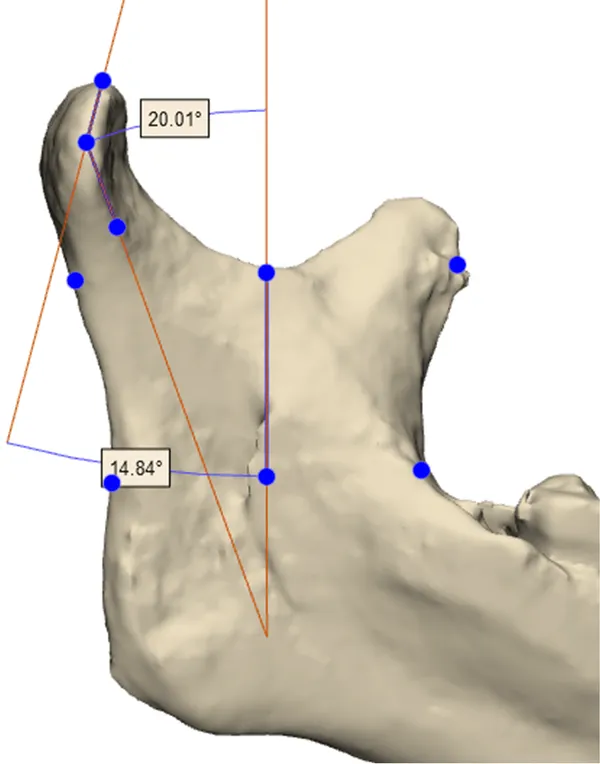
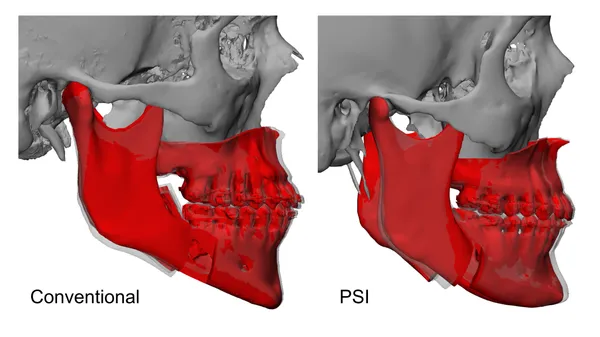
Purpose: The purpose was to measure the displacements of the mandibular condyles and proximal seg ments and their association with long-term condylar volume changes, skeletal and occlusal relapse following MMA.
Methods
Study design, setting, sample: This retrospective cohort study comprised subjects undergoing MMA and long-term follow-up cone-beam computed tomography at the University Hospital of Southern Denmark, Esbjerg, between March 2012 and November 2020. Subjects with previous oral and maxillofacial surgery, bone disease, active osteoarthritis, rheumatoid arthritis, craniofacial anomaly, syndromes or insufficient image quality were excluded.
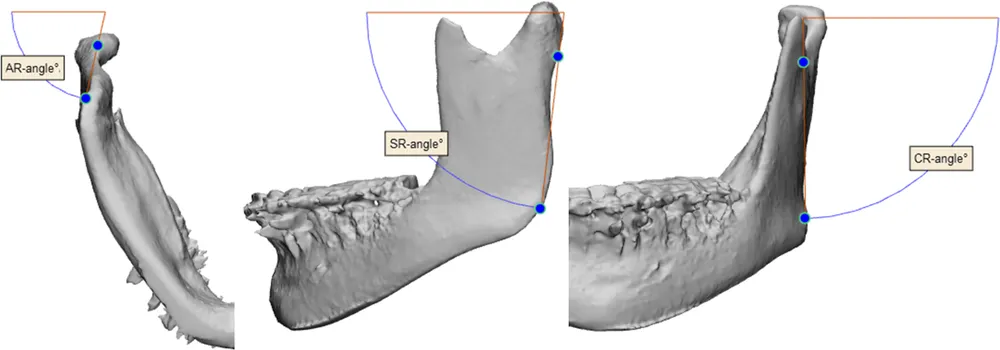
Predictor variable: The predictor variables were changes between the preoperative and postoperative position of the mandibular condyles (mm) and the proximal segments (°).
Main outcome variables: The outcome variables were the 5-year postoperative condylar volume changes (mm 3), horizontal skeletal relapse at pogonion (mm) and occlusion.
Covariates: The covariates were sex, age, body mass index, occlusion, diagnosis, surgical movement.
Analysis: Descriptive analysis was summarized by mean, mean absolute, and SD. Linear regression analyses examined the association between condylar displacement/rotation and horizontal skeletal relapse. Multilevel modeling analyses examined the association between condylar displacement/rotation and condylar volume changes. Occlusion was summarized by descriptive analyses.
Results
The sample comprised 50 subjects with a mean age of 25.62 years (±9.57) and 33 (64%) of the subjects were females. The mean MMA measured at pogonion was 7.37 mm (±4.37). After 5 years, the mean condylar volume decrease in the right/left side was 118.60 ± 196.92 mm 3 (9.94%)/79.78 ± 210.67 mm 3 (8.35%), while the mean and mean absolute horizontal skeletal relapse at pogonion was −0.43 mm (±2.12) and 1.65 mm (±1.38). The counterclockwise rotation of the proximal segment, right/left side: η 2: 24%/24%, was statistically significantly associated with long-term horizontal mandibular skeletal relapse (right/left side: P = <.001/<.001). Flaring of the proximal segment was statistically significantly associated with condylar volume loss ( P =.04). Three subjects (6%) developed a minor anterior open bite at 5-year follow-up.
Conclusion
Counterclockwise angular displacement of the proximal segments was statistically significantly associated with long-term horizontal mandibular skeletal relapse following MMA. Increased flaring of the proximal segment was statistically significantly associated with long-term condylar volume loss. However, the occlusion remained stable at 5-year follow-up and no subjects underwent reoperation.